
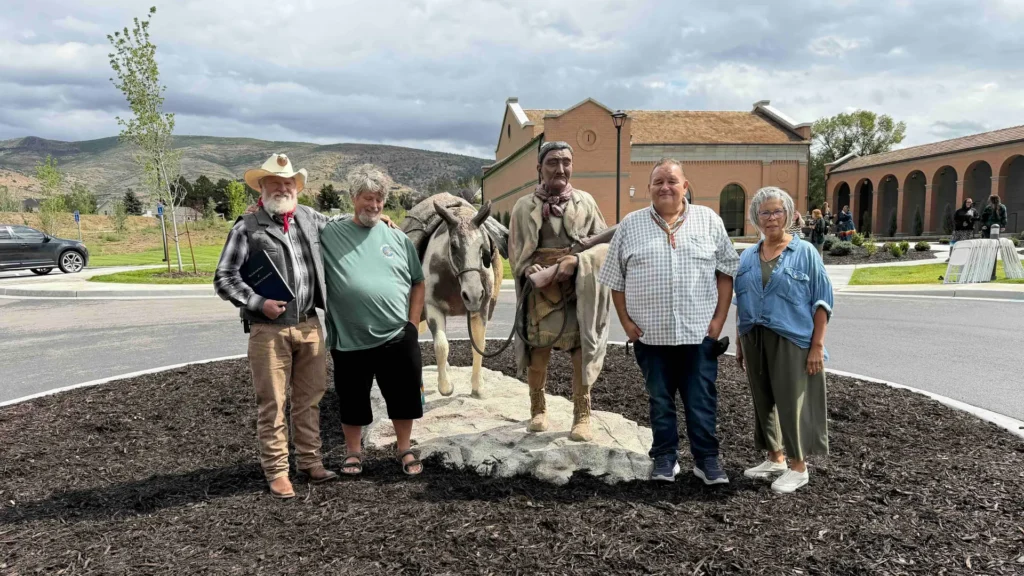
Chief Tabby Honored in Heber City
August 29, 2026, was a day of remembrance, reflection and recognition at the Heber City Cemetery.
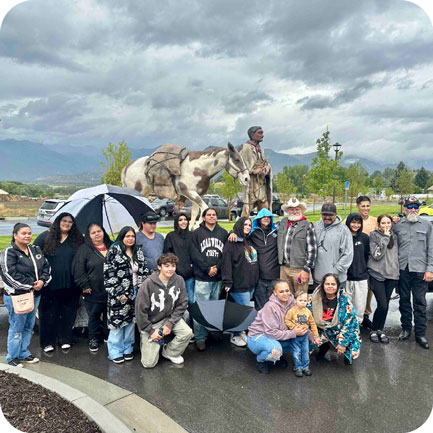
Despite pouring rain and rolling thunder, dozens of descendants of Chief Tabby-To-Kwanah, along with members of the Timpanogos Nation, Heber City officials and representatives of the Wasatch Community Foundation, gathered to unveil a new statue honoring one of the most prominent Native American leaders in Utah history.
The weather became an unexpected—and deeply meaningful—part of the ceremony.
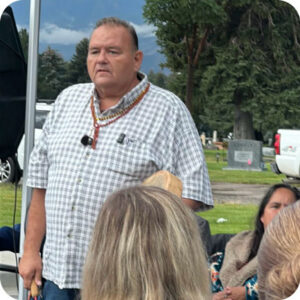 Perry Murdock, a Timpanogos Nation councilmember and descendant of Chief Tabby, called to his ancestors through song during the gathering. As thunder rolled across the valley, he explained that his people believe their ancestors can make their presence known through the weather and events surrounding important moments.
“We believe they speak and let you know they’re there because they control the weather and the events and things,” Murdock said. “Our people believe they’re here watching you for this event.”
For those gathered, the ceremony was about much more than the unveiling of a statue. It was an opportunity for descendants to publicly honor an ancestor whose story has been intertwined with the history of the Heber Valley for generations.
A Place of Honor
Chief Tabby, also known as Tabby-To-Kwanah, “Child of the Sun,” was a leader of the Timpanogos people during a period of enormous upheaval as pioneer settlement expanded into Utah.
He is remembered in part for his efforts toward diplomacy and peace, including negotiating a peace treaty between the Timpanogos people and Latter-day Saint pioneers after Native people were displaced from their traditional lands in the mid-1800s.
Now, his likeness stands at the Heber City Cemetery—a place that already held a deeply personal connection to his family.
According to cemetery accounts, Chief Tabby’s young son, Tom Tabby, died following a tragic hunting accident. His father carried his son to Heber City, where Joseph Stacy Murdock agreed to conduct a Christian burial. Tom was laid to rest among members of the Murdock family.
Following the burial, Chief Tabby honored his son according to his own traditions, placing cedar logs over the grave and bringing the boy’s favorite pony to the site.
More than a century later, Chief Tabby’s descendants returned to that same cemetery to honor him.
“We Get to Claim Our Ancestors”
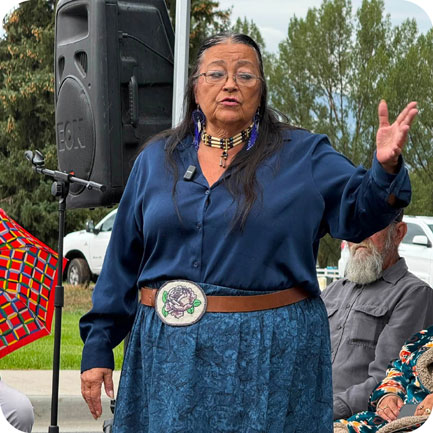
For current Timpanogos Chief Mary Murdock Meyer, the statue represents something especially significant.
Meyer spoke about the history of her people and the tremendous loss they experienced following the arrival of settlers. She said the Timpanogos population in the Heber Valley was once much larger and has been dramatically reduced over generations.
“We were systematically erased on purpose,” Meyer said during the ceremony.
But the unveiling also represented an opportunity to reclaim and celebrate that history.
“Today we get to claim our ancestors and be proud of him, and watch him be honored, and we get to be a part of that,” Meyer said. “We want to be treated as human, and our children need to grow up being able to say, ‘I’m a Timpanogos Indian’ and be proud.”
The moment was particularly meaningful because so much of Timpanogos history has not always been visible in the public spaces of the valley.
The statue changes that.
Bringing History Into the Present
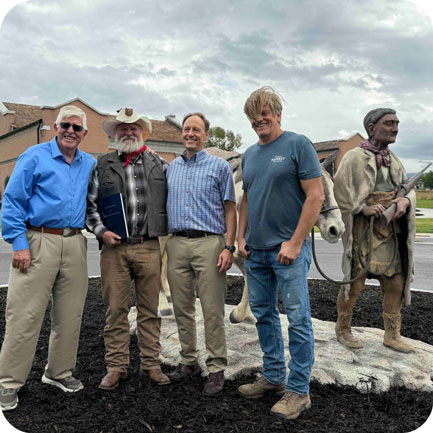
The Chief Tabby statue project was commissioned by Marvin Rust through the Wasatch Community Foundation’s Arts Pillar, with support from Wasatch County and Heber City TAP Tax funding, private donations, and community partners.
Artist Jonathan LeBenne created the statue, giving the community a permanent place to encounter the story of Chief Tabby and the people who lived on this land long before the communities we know today were established.
For Marvin Rust and the Wasatch Community Foundation, the project represents the role art can play in preserving local history and creating opportunities for a community to learn, remember and connect.
And for the descendants gathered beneath the August rain, the statue offered something even more personal: a place where their ancestor could be seen, recognized and honored.
The ceremony also brought together different parts of the community—descendants, local government, nonprofit leaders and residents—to acknowledge a history that belongs to the larger story of the Heber Valley.
Remembering Who Was Here Before
The statue now stands as a permanent reminder that the history of Heber Valley stretches far beyond the founding of Heber City or the construction of its first homes and streets.
Long before those milestones, Timpanogos people traveled these mountains and valleys, hunted and gathered here, raised families and established communities.
The August 29 unveiling gave those stories a physical place in the landscape.
It also offered an opportunity to look honestly at a complicated past while recognizing the people who continue to carry that history forward today.
As thunder echoed over the cemetery and rain fell on the gathering, Perry Murdock described the moment as a sign that his ancestors were present.
For everyone there, the weather may have made the ceremony more challenging—but it also made the day unforgettable.
A statue now stands at the Heber City Cemetery. But what was unveiled on August 29 was more than a work of art. It was a place of remembrance, a recognition of Timpanogos history, and a visible invitation for future generations to know the people whose stories were here long before us.
Special thanks to Marvin Rust and the Wasatch Community Foundation, Wasatch County and Heber City TAP Tax funding, and the private citizens whose generous donations helped make this project possible.
Artist: Jonathan LeBenne
Support the Arts
Projects like the Chief Tabby statue demonstrate how art can preserve history, strengthen community connections and create lasting places of remembrance.